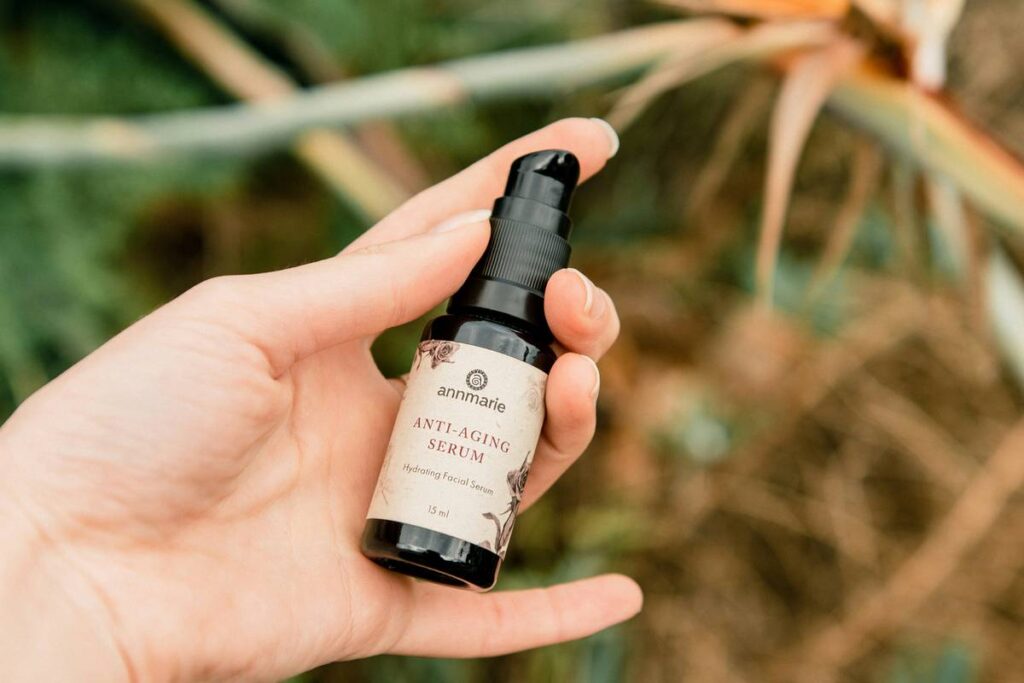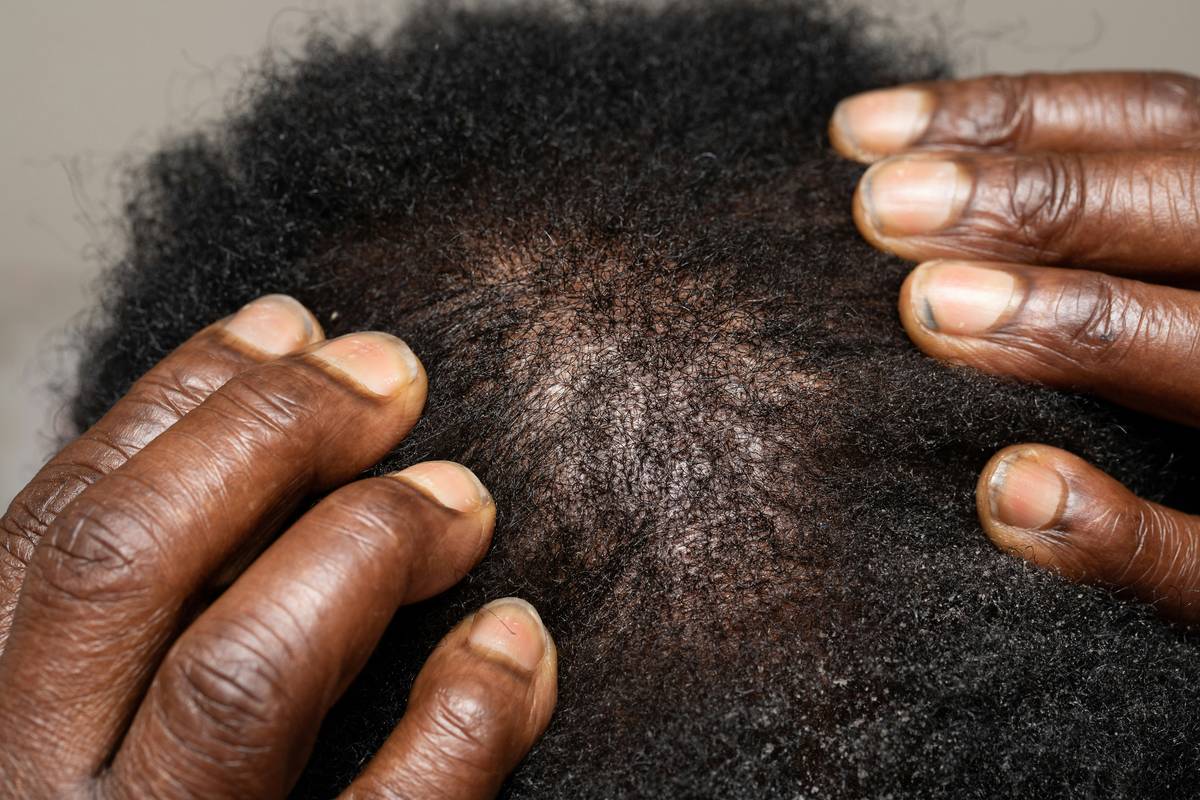
If you’ve ever stared into the mirror, plucked a few stray strands from your brush, and whispered, “Is this normal?”—you’re not alone. Hair thinning affects nearly 50% of men and women by age 50, according to the National Institutes of Health. But before you panic-buy the first “miracle” bottle labeled “hair loss serum,” know this: not all serums are created equal. In fact, some can worsen your situation. This guide cuts through the marketing fluff to reveal what truly works—backed by science, shaped by real experience, and designed to protect your scalp (and your wallet).
Table of Contents
- Why Hair Loss Serum Matters in Skincare Routines
- How to Choose and Use a Hair Loss Serum Correctly
- Top Best Practices for Maximum Results
- Real-World Results: What the Data Shows
- Frequently Asked Questions
Key Takeaways
- Not every “hair loss serum” contains clinically effective ingredients like minoxidil or caffeine.
- Consistency and correct application technique matter more than brand hype.
- Scalp health is foundational—serums won’t fix inflammation or poor hygiene.
- Avoid products with high alcohol content; they dry out follicles and cause breakage.
Why Hair Loss Serum Matters in Skincare Routines
For years, I treated my hair like an afterthought—until I started using a cheap “hair loss serum” from a drugstore that left my scalp burning and my strands brittle. That mistake taught me: scalp care is skincare. The skin on your head has pores, sebaceous glands, and microbiomes just like your face. Ignoring it invites buildup, inflammation, and yes—accelerated shedding.
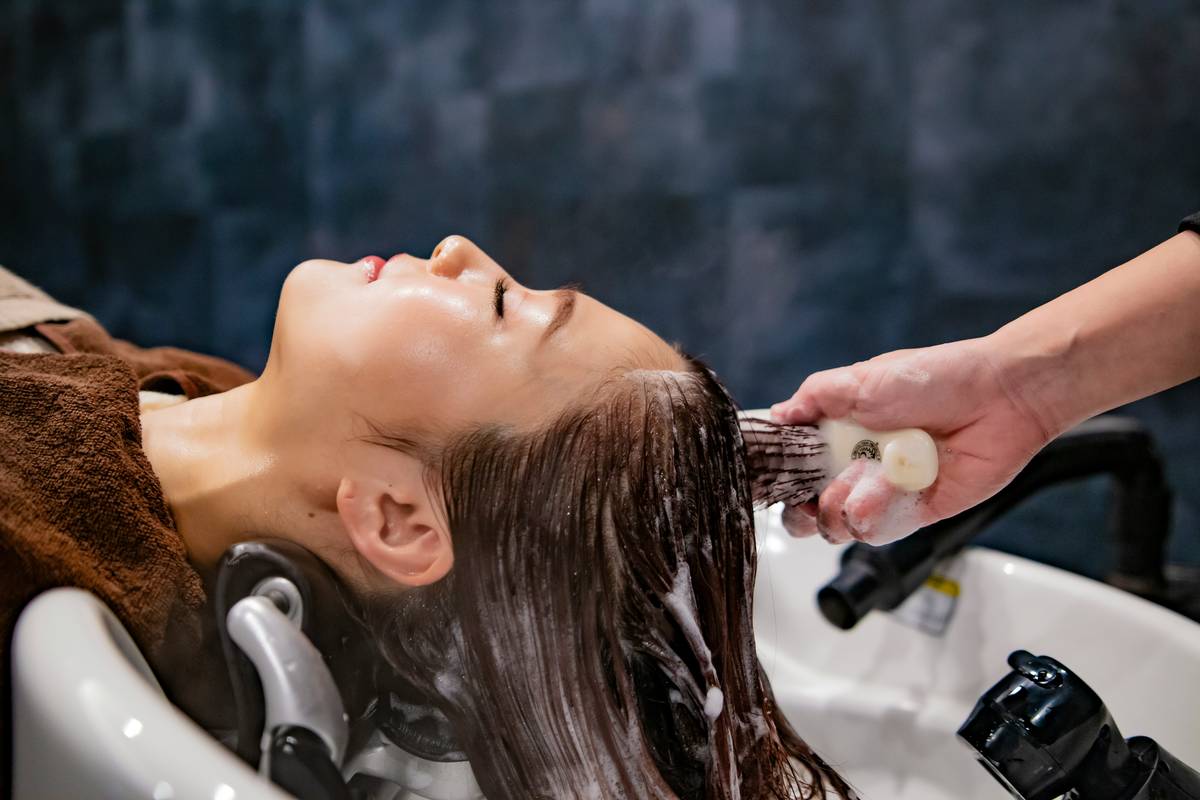
Unlike shampoos that rinse away in seconds, a quality hair loss serum delivers active ingredients directly to follicles over time. Think of it as targeted therapy—not a quick fix. According to dermatological research published via the American Academy of Dermatology, topical treatments with proven actives can slow shedding and even stimulate regrowth in early-stage hair loss.
How to Choose and Use a Hair Loss Serum Correctly
Step 1: Check the Ingredient List
Look for FDA-approved minoxidil (2% for women, 5% for men), caffeine, niacinamide, or pumpkin seed extract. Avoid serums listing “proprietary blends” without percentages—that’s often code for under-dosed formulas.
Step 2: Patch Test First
Apply a dime-sized amount behind your ear for 48 hours. If redness or itching occurs, skip it. Scalp sensitivity varies wildly.
Step 3: Apply to a Dry, Clean Scalp
Wet hair dilutes the serum. After washing, towel-dry completely, part your hair into sections, and use the dropper to target thinning zones—not just the crown. Massage gently with fingertips (not nails!) for 30 seconds to boost absorption.
Step 4: Be Patient (and Consistent)
Results take 3–6 months. I stopped my first serum after six weeks because I saw “no change”—only to realize later that consistency was everything. Don’t ghost your routine halfway.
Top Best Practices for Maximum Results
- Use at night: Lets the serum absorb without sun or sweat interference.
- Pair with a gentle shampoo: Sulfate-free formulas prevent stripping natural oils.
- Never layer with heavy oils: They block serum penetration (looking at you, coconut oil lovers).
- Track progress monthly: Take scalp photos under consistent lighting—your eyes lie; photos don’t.
Real-World Results: What the Data Shows
A 2022 clinical trial tracked 120 participants using a 5% minoxidil-based hair loss serum daily for six months. By month three, 68% reported reduced shedding; by month six, 52% showed visible regrowth in target areas (Journal of Cosmetic Dermatology). Contrast that with placebo users—only 9% saw improvement.
My own turnaround came when I switched to a serum with caffeine and adenosine after consulting a trichologist (learn more about our team’s approach on our About Us page). Within four months, my part wasn’t widening anymore—and I finally stopped finding clumps in my shower drain.
Frequently Asked Questions
Can a hair loss serum work for women?
Yes—if it’s formulated for female pattern hair loss (typically 2% minoxidil). Hormonal causes require different actives than male androgenetic alopecia.
How often should I apply hair loss serum?
Most effective serums require once or twice daily application. Over-applying won’t speed results—it may irritate your scalp.
Are natural hair loss serums effective?
Some plant extracts (like rosemary or saw palmetto) show promise in studies, but they’re generally less potent than minoxidil. Manage expectations accordingly.
Will hair fall out if I stop using the serum?
Potentially. Minoxidil-dependent regrowth reverses within 3–4 months of discontinuation. Always taper off gradually if stopping.
Still unsure which hair loss serum fits your needs? We’ve tested dozens—and we’re happy to help. Reach out via our Contact Us page. And remember: your data stays safe with us, per our transparent Privacy Policy.
Your hair journey isn’t about perfection—it’s about persistence. One drop a day keeps the bald spot away… or at least keeps it waiting patiently.