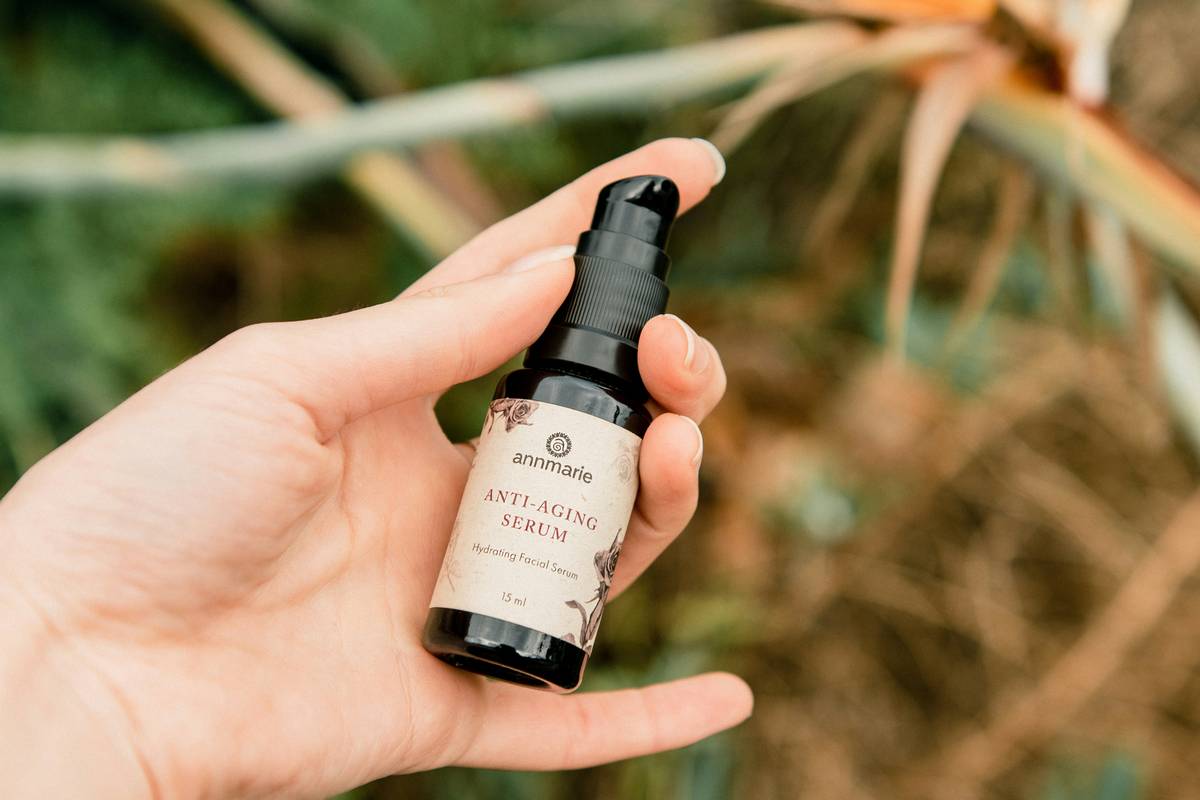
Dry, brittle strands that snap before they grow? You’ve tried masks, oils, even “hydrating” shampoos—but your hair still feels like straw by day three. The problem isn’t your effort. It’s the illusion of moisture most products sell. A true hair hydration serum doesn’t just coat—it penetrates, rebuilds, and seals. And most shelves are missing it.
The Myth of Surface-Level Hydration
Most so-called hydrating treatments stop at the cuticle. They smooth for 20 minutes post-shower, then evaporate—leaving behind silicones that block real nourishment. Your hair isn’t thirsty; it’s suffocating under fake shine.
Think about it: if water alone hydrated hair, swimming daily would give you silk. But chlorine and saltwater dry it out faster. Why? Because hydration without retention is wasted effort.
And here’s the kicker—many serums labeled “hydrating” are just lightweight silicones in disguise. They offer slip, not sustenance. The result? Temporary softness, long-term buildup, zero repair.
How to Choose and Use a Real hair hydration serum
Not all serums deserve the name. A legit formula targets the cortex—the hair’s inner layer—where moisture loss actually cripples elasticity and strength.
Ingredient Intelligence: What Actually Works
Look for hydrolyzed proteins (like wheat or silk), humectants (glycerin, sodium PCA), and barrier-supporting lipids (squalane, ceramides). Avoid anything ending in “-cone” as the first three ingredients—that’s your red flag.
Application Timing Matters More Than You Think
Apply to damp—not wet—hair. Why? Water swells the cuticle slightly, creating micro-channels for serum penetration. Apply too soon, and product dilutes. Too late, and the door slams shut.
Dosage Discipline: Less Is More
Two pumps for shoulder-length hair. One for bobs. Three for waist-grazing manes. Over-application weighs hair down and invites greasiness—not because the serum is heavy, but because you’ve exceeded the fiber’s absorption capacity.
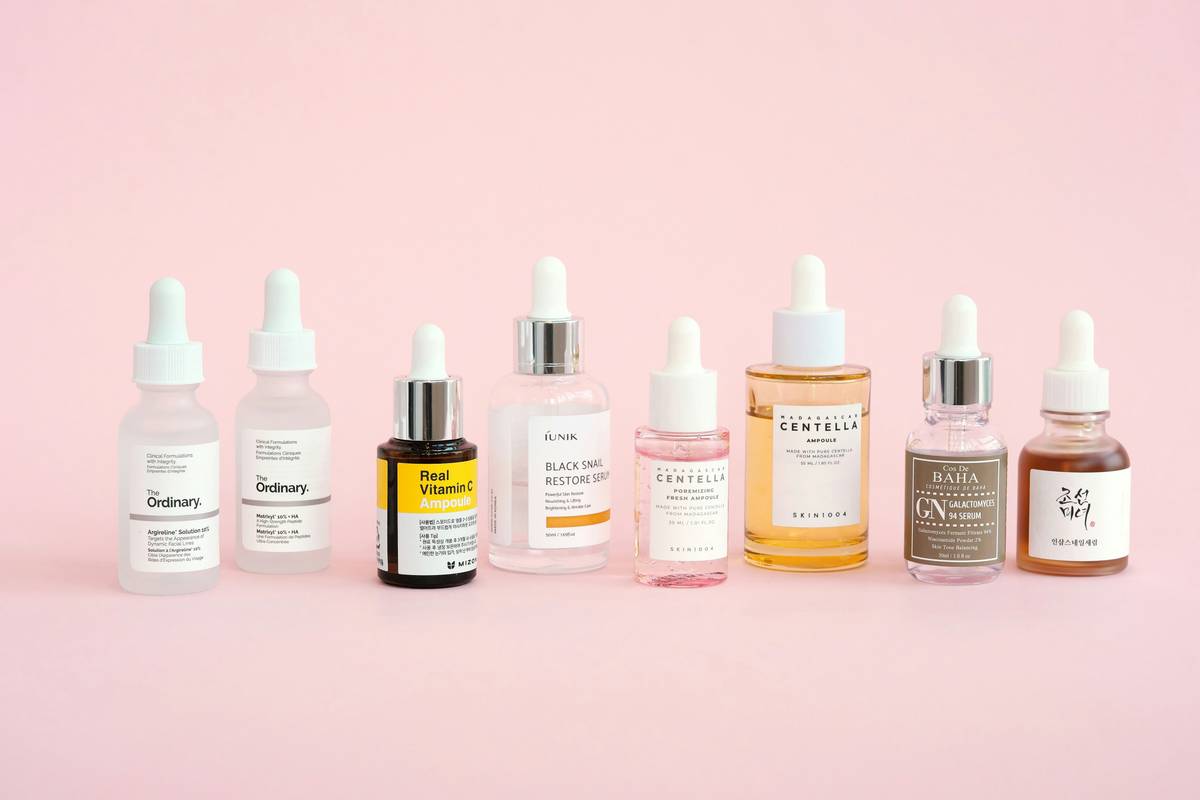
| Hydration Method | Penetration Depth | Lasting Effect | Cumulative Buildup Risk |
|---|---|---|---|
| Standard Hair Oils (e.g., coconut, argan) | Cuticle only | 4–8 hours | Moderate to high |
| Hydrating Masks | Partial cortex | 1–2 days | Low (if rinsed fully) |
| True hair hydration serum | Deep cortex + intercellular matrix | 3–5 days | Negligible (non-comedogenic base) |
The Industry Secret: Serums Are Misused as Styling Tools
Here’s what brands won’t tell you: a hair hydration serum isn’t a finishing gloss. It’s a treatment masquerading as one. Most consumers apply it post-styling—or worse, on dry hair midday for “shine.” That’s like putting moisturizer over makeup and wondering why skin stays dry.
The math is simple: if hydration can’t reach the damaged sites inside the fiber, it’s cosmetic theater. I’ve seen clients reverse years of breakage not by buying pricier tools—but by shifting serum use from day 3 (dry hair touch-up) to day 0 (post-wash treatment).
But don’t take my word. Try this: split your routine in half. Left side gets serum on damp hair, right side gets none. After two washes, the difference in tensile strength—and bounce—is visible. Not magical. Just molecular.
Frequently Asked Questions
Can hair hydration serum replace conditioner?
No. Conditioner detangles and temporarily seals the cuticle. Serum delivers targeted actives deeper. Use both—conditioner first, serum after, on towel-dried hair.
Is hair hydration serum safe for color-treated hair?
Yes—if it’s sulfate-free and alcohol-free. In fact, quality serums protect color fade by reinforcing the hair’s lipid barrier against oxidative stress.
How often should I use a hair hydration serum?
2–4 times weekly is ideal. Daily use is fine with lightweight, water-based formulas—but monitor for buildup if your scalp runs oily.