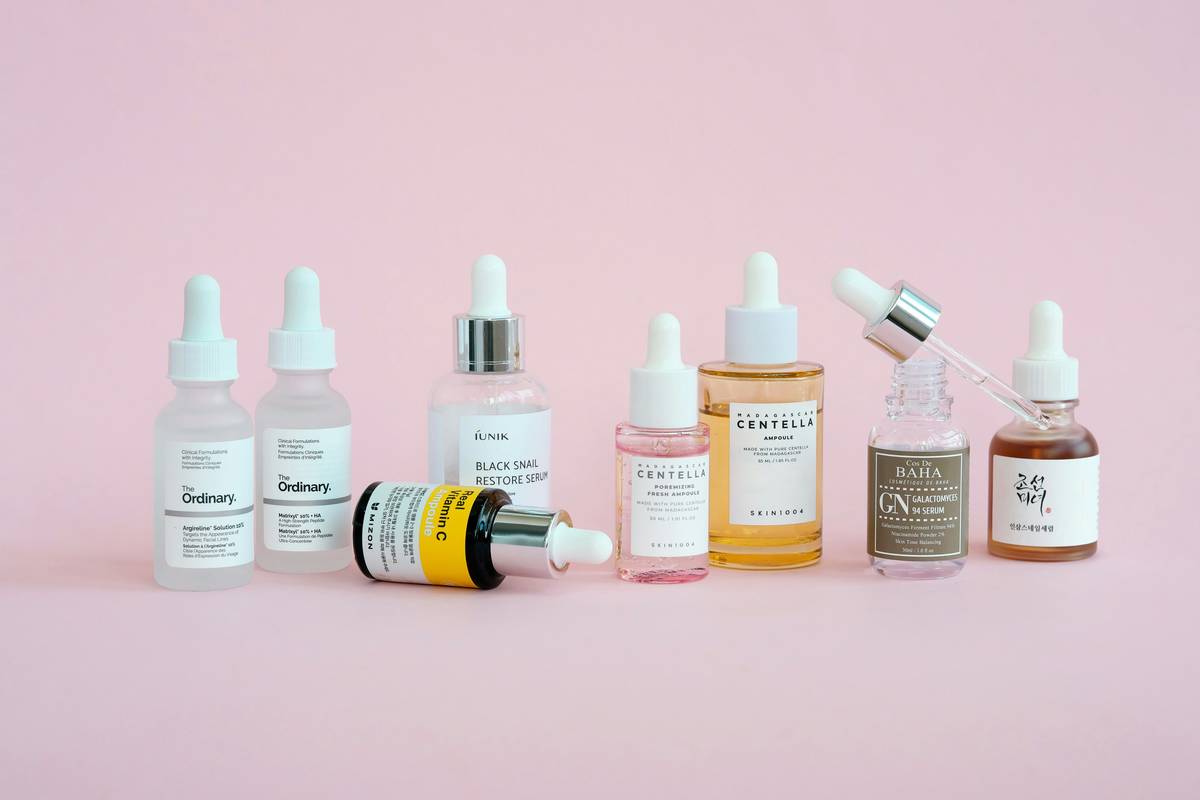
You bought a hair repair serum. You applied it religiously. Yet your ends still split like gossip at a salon chair. Frustrating? Absolutely. Most “repair” serums just coat the surface—masking damage, not reversing it. Real repair demands precision, not polish.
The Core Problem: Why Most Hair Repair Serums Fail
Here’s the reality: hair isn’t alive past the follicle. Once the keratin structure fractures, no serum can magically regrow it. And yet brands slap “repair” on bottles filled with silicones that merely smooth temporarily—then build up, suffocate strands, and worsen breakage over time.
Think about it. If a product claims to “heal” dead protein fibers, ask: what’s the mechanism? Without bond-building actives like cysteine or maleic acid derivatives, you’re just polishing a cracked vase.
How to Use Hair Repair Serum the Right Way
It’s not that serums are useless—they’re misunderstood. Used strategically, paired with the right ingredients and application timing, they become powerful allies in damage control.
Step 1: Cleanse Without Compromise
Start with a sulfate-free shampoo that removes buildup but doesn’t strip natural oils. Residue blocks serum absorption—period.
Step 2: Apply to Damp, Not Dry
Serums penetrate best when hair is 70% dry. Water opens the cuticle slightly; too much water dilutes the formula, too little means poor spreadability.
Step 3: Target the Mid-Lengths to Ends Only
Your roots produce sebum. Your ends? Desert-dry and fractured. Never apply serum near the scalp—it causes greasiness and may clog follicles.
Step 4: Layer With Heat Protection
If you style with heat, your serum must contain thermal protectants like dimethicone or cyclomethicone. Otherwise, you’re sealing in damage, not preventing it.
| Approach | Key Ingredients | True Repair Capability | Cost Range (USD) |
|---|---|---|---|
| Silicone-Based Serums | Cyclopentasiloxane, Dimethicone | Surface smoothing only — no structural repair | $8–$25 |
| Bond-Building Serums | Cysteine, Maleic Acid, Arginine | Reconnects broken disulfide bonds — actual reconstruction | $22–$50 |
| Natural Oil Blends | Argan, Marula, Jojoba Oils | Nourishment + mild protection — zero bond repair | $12–$35 |
The Industry Secret: Bond Builders Need Time—and Consistency
Most consumers give up after two weeks. Big mistake. Real bond-repair serums work cumulatively. The first application preps. The fifth begins micro-reconstruction. By week four, tensile strength measurably improves—if you haven’t skipped days.
And here’s what labs won’t tell you: pH matters more than concentration. A serum at pH 4.5 to 5.5 mimics hair’s natural acidity, optimizing cysteine’s bonding efficiency. Above pH 6? It’s just expensive conditioner.
Frequently Asked Questions
Can hair repair serum fix split ends?
No product seals split ends permanently. Serums with film-forming polymers can temporarily bind them, but trimming is the only real solution.
How often should I use hair repair serum?
Daily on damp ends if your hair is chemically treated or heat-damaged. Overuse on fine hair may cause buildup—clarify weekly.
Is hair repair serum the same as hair oil?
No. Oils moisturize; serums target specific damage mechanisms. Some serums contain oils, but true repair requires active bond-rebuilding molecules—not just emollients.