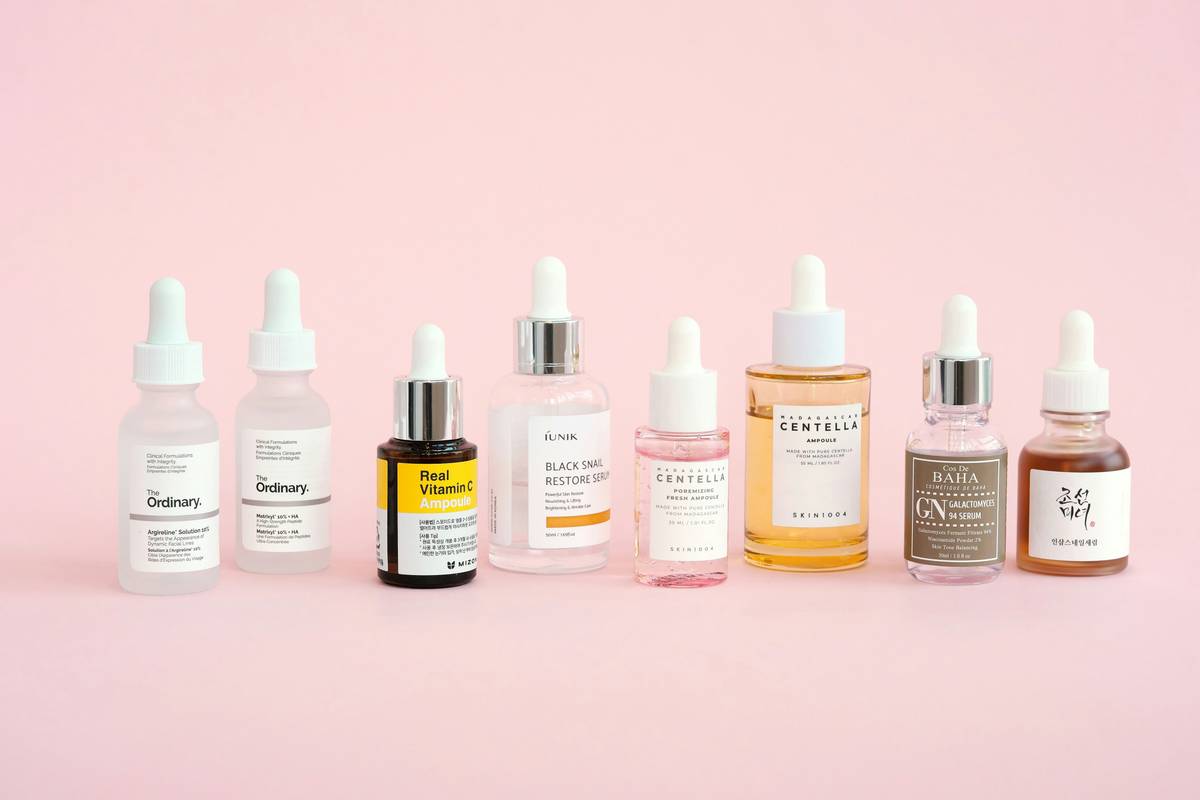
You bought another hair health serum. The bottle looked sleek, the claims were bold—”repair,” “revive,” “renew.” But weeks later? Still brittle ends, frizz that laughs at humidity, and zero shine. It’s not you. It’s the formula—and how you’re using it.
The Core Problem With Most Hair Health Serums
Most serums on shelves are 90% marketing, 10% actives. They coat the hair temporarily—like putting lipstick on a cracked mirror. You get instant slip, sure. But the damage underneath? Untouched.
And here’s the trap: silicones. They create that “smooth” illusion but build up over time, suffocating follicles and blocking moisture. Wash after wash, your strands get weaker—not stronger. The math is simple: if your serum doesn’t penetrate beyond the cuticle, it’s decoration, not treatment.
Your Step-by-Step Guide to Real Hair Transformation
Forget layering five products. True restoration starts with precision—choosing, applying, and timing correctly.
Pick a Serum Built for Penetration, Not Just Shine
Look for molecular-weight actives like hydrolyzed keratin, niacinamide, or plant-based ceramides. These actually slip between cuticle layers. Avoid anything listing “dimethicone” in the top three ingredients.
Apply to Damp—Not Dry—Hair
Dry hair repels. Damp hair absorbs. After towel-drying (never rubbing), apply 2–4 drops from mid-length to ends. Skip the roots unless your scalp needs targeted nourishment—most don’t.
Heat Seals the Deal (Literally)
A quick pass with a blow dryer or flat iron opens cuticles just enough for serums to sink deeper. No heat? Leave it overnight as a pre-wash treatment—apply before bed, rinse out in the morning.
| Method | Active Ingredient Focus | Time to Visible Results | Cost per Ounce (USD) |
|---|---|---|---|
| Drugstore Silicone Serums | Cyclomethicone, Dimethicone | Instant (temporary) | $1.50 – $3.00 |
| Clinical Repair Serums | Hydrolyzed Keratin, Peptides | 2–4 weeks | $8.00 – $15.00 |
| Botanical Penetration Serums | Squalane, Ceramide NP, Niacinamide | 3–6 weeks | $12.00 – $22.00 |

The Industry Secret: Serums Work Best When Paired
Here’s what no brand will tell you: serums alone can’t fix systemic weakness. Hair loss, chronic dryness, or extreme breakage often stem from internal gaps—iron deficiency, thyroid imbalance, or oxidative stress.
Topical hair health serum is necessary—but not sufficient. Pair it with a biotin-copper-zinc complex internally, and reduce sulfates in your shampoo. That combo? That’s where real resilience begins. I’ve seen clients reverse traction alopecia not with minoxidil, but with this dual approach.
Think about it: your hair is a mirror of metabolic function. Polish the surface all you want—but if the foundation’s shaky, shine fades fast.
Frequently Asked Questions
Can hair health serum regrow lost hair?
No. Serums nourish existing strands but can’t reactivate dead follicles. For regrowth, target the scalp directly with minoxidil or consult a dermatologist.
How often should I use a hair health serum?
Daily on damp hair for damaged ends. If your hair is fine or oily, limit to 2–3 times weekly to avoid buildup.
Are natural serums better than synthetic ones?
Not inherently. Effectiveness depends on molecular stability and penetration—not origin. A stabilized synthetic peptide may outperform an unstable plant oil.