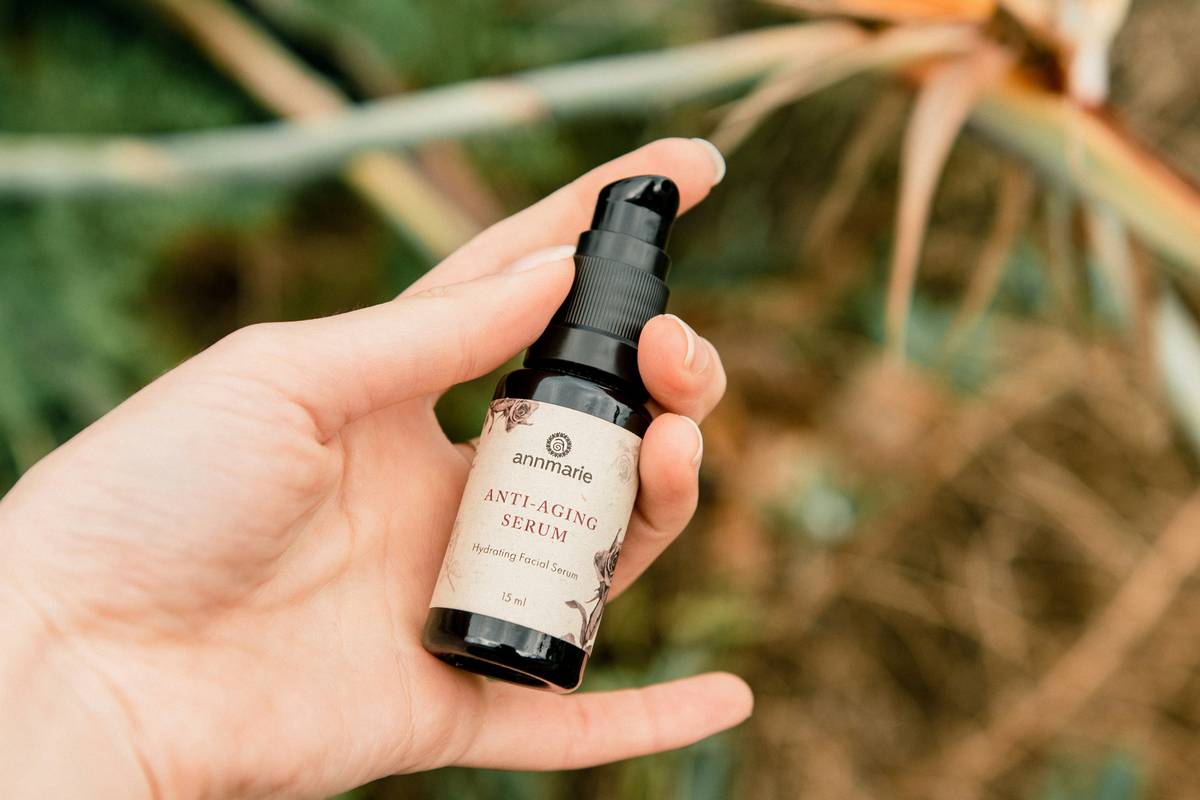
You spent good money on a styling hold serum. You applied it like the bottle said. Yet your style still collapses by lunchtime—or worse, leaves your hair stiff, greasy, or flaking. Frustrating? Absolutely. But here’s the truth: most people misuse styling hold serum not because they’re careless—but because they’ve been sold a myth.
The Core Problem With Most Styling Hold Serums
Styling hold serums promise definition, shine, and all-day resilience. What they often deliver is weight, buildup, or zero actual hold. Why? Because formulation matters more than marketing buzzwords. And most mainstream brands prioritize shelf appeal over performance chemistry.
Here’s the reality: silicone-heavy formulas coat the hair shaft but offer zero structural support. They mask frizz temporarily—then melt under humidity or evaporate in dry heat. Meanwhile, alcohol-laden “fast-dry” versions dehydrate strands, making them brittle and prone to breakage. And yet we keep buying them.
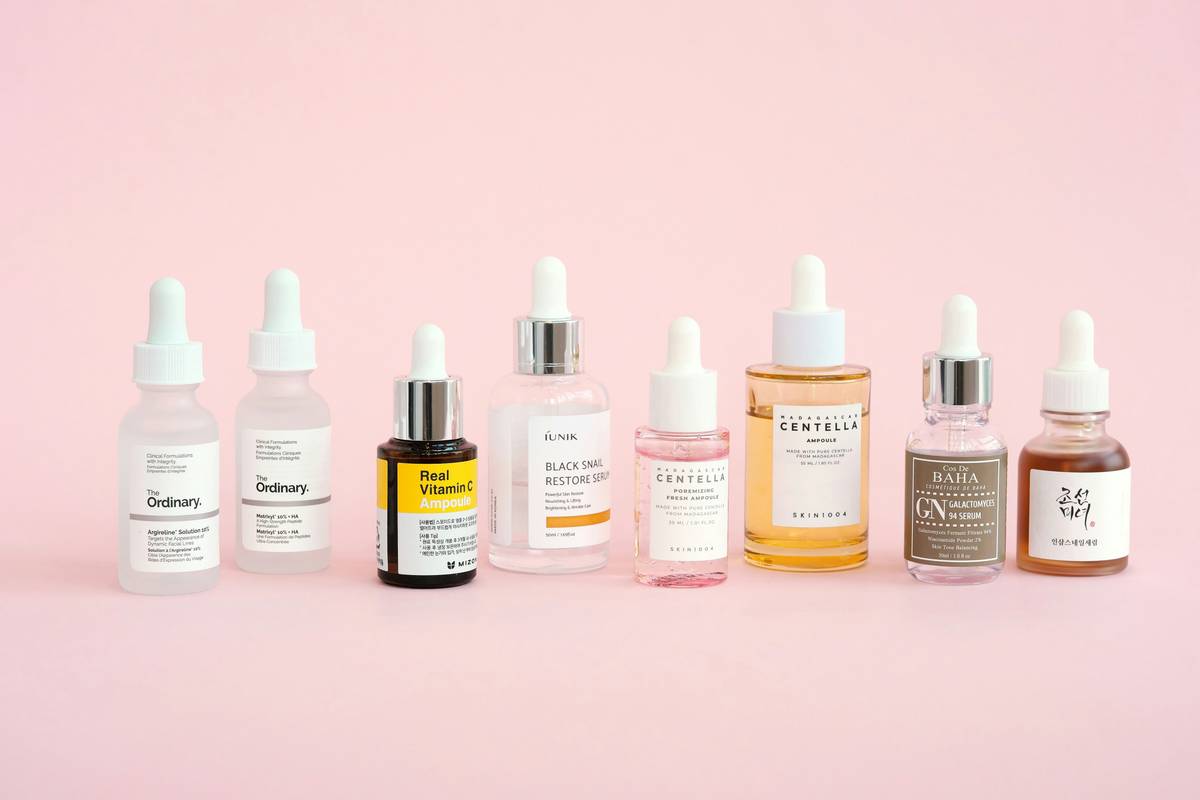
How to Use Styling Hold Serum Correctly: A Step-by-Step Guide
Forget slathering it on post-blowout. Real results come from strategic layering and understanding your hair’s porosity. Follow this protocol—not the vague instructions on the back label.
Step 1: Apply to Damp, Not Dry, Hair
Damp hair allows the serum to penetrate slightly before sealing the cuticle. On dry hair, it just sits on the surface—prone to migration and residue.
Step 2: Use the Right Amount (Less Is More)
A pea-sized drop for fine hair. A dime-sized for thick or coarse textures. Over-application = greasiness + zero hold. The math is simple: product weight vs. hair density.
Step 3: Layer With Heat Protection If Using Hot Tools
Many styling hold serums lack thermal defense. Pair yours with a dedicated heat protectant to avoid invisible damage that undermines long-term manageability.
Step 4: Reapply Strategically—Only If Needed
Touch-ups should target flyaways—not entire sections. Use fingertips, not palms, to avoid transferring oils that dilute the formula.
| Application Method | Hair Type Suitability | Hold Duration | Risk of Buildup |
|---|---|---|---|
| Full coverage on dry hair | Fine, straight | 2–4 hours | High |
| Pea-sized amount on damp ends | Medium, wavy | 6–8 hours | Low |
| Dime-sized, distributed mid-length to ends pre-styling | Thick, curly/coily | 8–12+ hours | Moderate (requires clarifying wash weekly) |
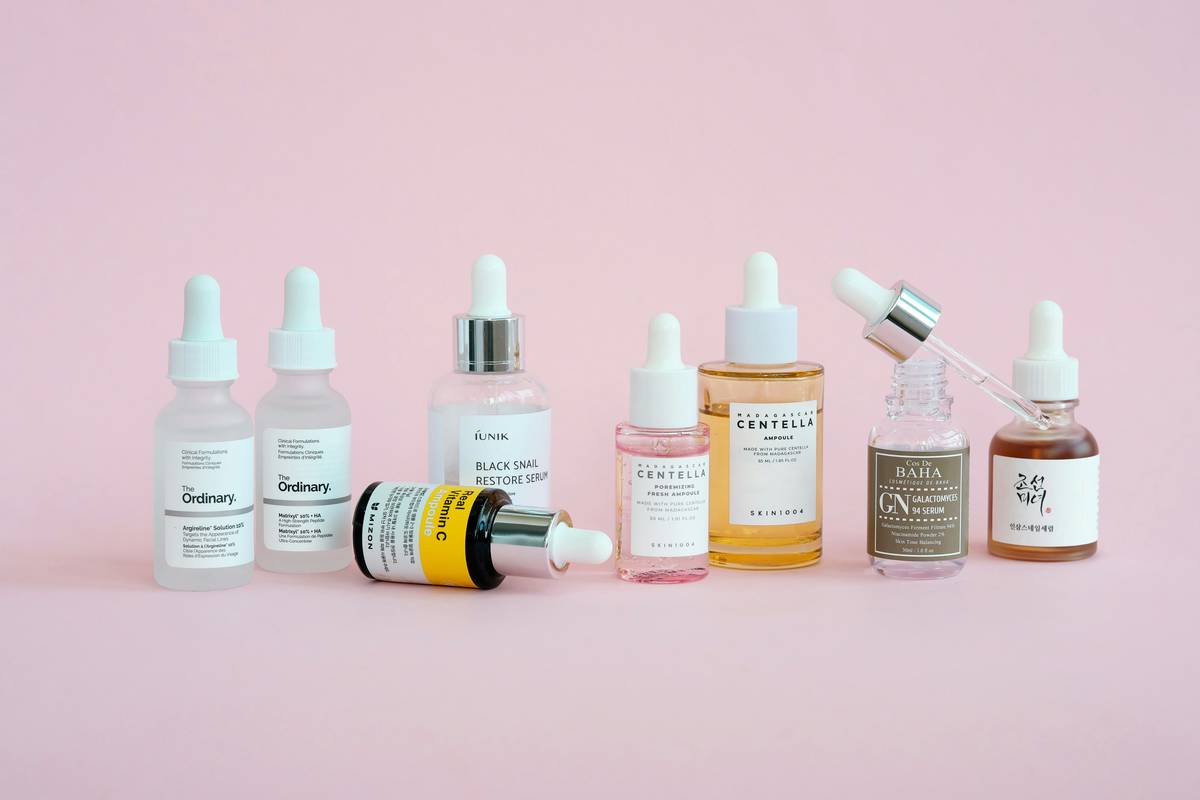
The Industry Secret No Brand Will Admit
Most styling hold serums are reformulated fragrances with minimal functional polymers. The real “hold” doesn’t come from silicones—it comes from film-forming humectants like PVP/VA copolymer or acrylates. But these cost more. So companies dilute them below effective concentrations to hit price points.
And here’s the kicker: you can test this at home. Apply your serum, let it dry completely, then gently tug a strand. If it snaps cleanly without stretch, there’s no elastic polymer network—just coating. True hold requires flexibility AND adhesion. Without both, you’re just polishing chaos.
Frequently Asked Questions
Can styling hold serum replace hairspray?
No. Serums seal and smooth; hairsprays lock shape via rigid polymer nets. Use serum first for manageability, then light mist of spray for structure.
Does styling hold serum cause hair loss?
Not directly. But heavy buildup can clog follicles over time—especially if you skip clarifying shampoos. Rinse thoroughly twice a week.
Is styling hold serum safe for color-treated hair?
Yes—if it’s sulfate-free and lacks high-alcohol content. Always check the first five ingredients. Safe bets: glycerin, panthenol, hydrolyzed proteins.